
Learn how to manage your Siberian Husky‘s high energy & escape instincts! Expert tips, real stories & trusted resources for happy, safe Huskies!
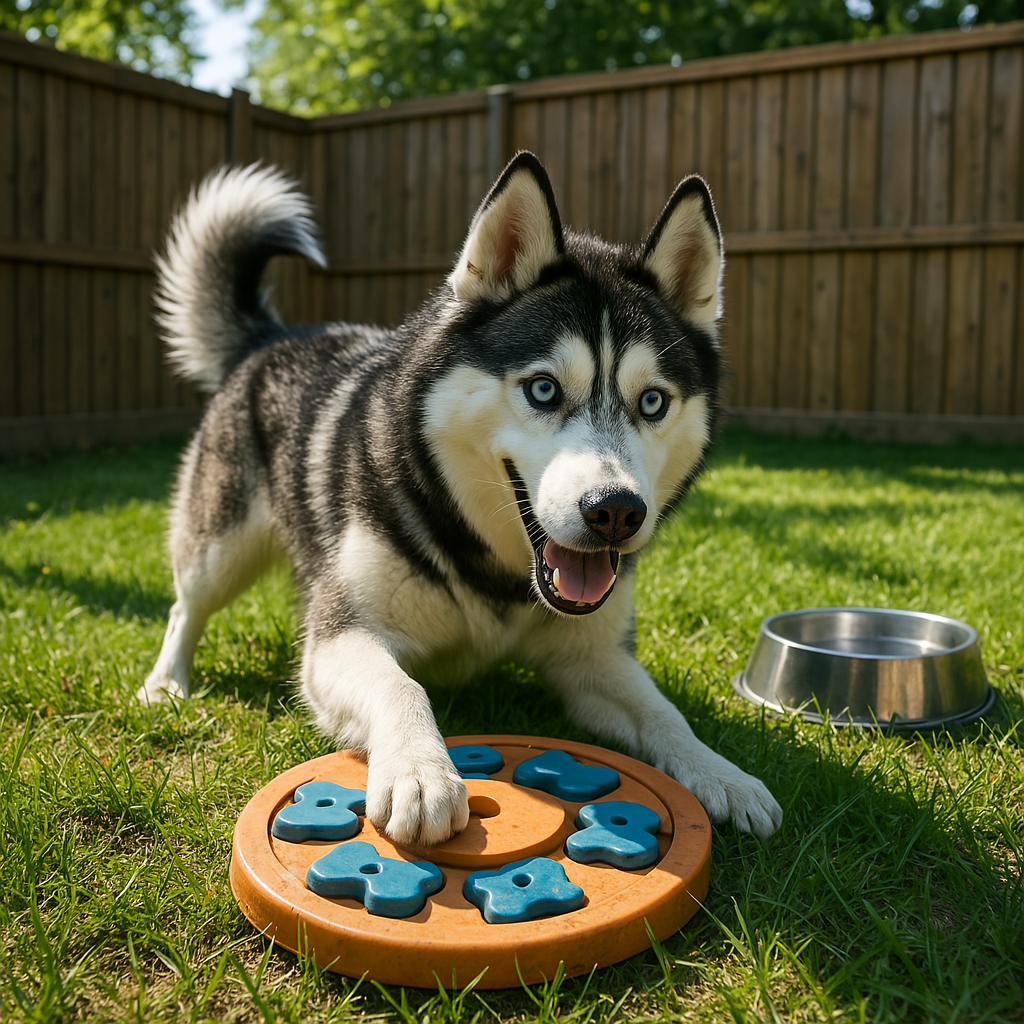
The Siberian Husky is one of the most beloved and visually striking dog breeds in the world. With their piercing eyes, wolf-like features, and athletic build, Huskies capture hearts instantly. But behind that beauty lies a high-energy, independent spirit that can be both exhilarating and overwhelming for unprepared owners.
Whether your Husky is chewing furniture, scaling fences, or ignoring every command with a grin, you’re not alone. This guide is designed to help you understand your Husky’s behavior, channel their energy positively, and prevent common challenges—like escape attempts and destruction—before they start.
The Siberian Husky Personality: What to Expect
A Working Dog at Heart
Siberian Huskies were originally bred by the Chukchi people of Siberia to pull sleds across vast snowy terrains. This means they weren’t just designed to run—they were built for endurance, teamwork, and decision-making. These traits have been preserved in today’s Huskies, making them:
- Incredibly energetic
- Highly intelligent, but stubborn
- Social yet independent
- Strong-willed and creative problem solvers
In short, Huskies are not your average house dogs. They thrive with purpose, structure, and challenge.
Understanding Common Husky Behavioral Issues
Even well-loved and well-fed Huskies can develop behavioral problems when their mental and physical needs aren’t being met. Here are the most frequent issues owners face:
Chewing and Digging
Huskies love to dig—especially if they’re bored or left unsupervised in a yard. Indoors, that instinct may translate into chewing shoes, furniture, or anything accessible.
Ignoring Commands
Known for their intelligence and independence, Huskies are often labeled as “stubborn.” In reality, they’re selective listeners. If a command isn’t interesting or beneficial to them, they may ignore it.
Escape Attempts
From leaping over 6-foot fences to opening doors, Huskies are notorious escape artists. This isn’t because they don’t love their homes—it’s because they crave adventure and are driven by curiosity.
Hyperactivity and Destructive Behavior
Without proper outlets for energy, Huskies may become anxious, whiny, or outright destructive. This isn’t a character flaw—it’s a sign of unmet needs.
Meeting Your Husky’s Energy Needs
Physical Exercise: More Than a Walk Around the Block
Huskies require at least 90 minutes to 2 hours of exercise every single day. Not just low-intensity walks—real, engaging physical activity.
Here are some ideal options:
- Trail running or hiking (keep them leashed unless in a secure area)
- Biking with a dog leash attachment
- Dog parks with high fences
- Agility training courses
- Sled-pulling or canicross
A tired Husky is a well-behaved Husky. Burn off their excess energy before you expect them to relax indoors.
Mental Stimulation: The Forgotten Key
Mental stimulation is just as important as physical activity. Here’s how to engage your Husky’s sharp mind:
- Interactive puzzle feeders
- Scent tracking games
- Hide-and-seek with toys or treats
- New trick training sessions
- Rotate toys weekly to maintain novelty
Luna, a 2-year-old Husky, transformed from a destructive chewer to a calm companion after her owner added 30 minutes of mental games each evening.
Preventing Escapes: How to Husky-Proof Your Home
Why Huskies Run
Huskies don’t escape because they’re unhappy—they run because they were bred to run. Their instincts push them to explore, chase small animals, or seek excitement.
How to Keep Them Safe and Secure
Here are must-follow security tips:
Build a Husky-Proof Fence
- Minimum height: 6 feet (some Huskies can clear 5 feet easily)
- No footholds or horizontal beams for climbing
- L-shaped concrete or chicken wire base to stop digging
- Consider coyote rollers or slanted fence tops to deter climbing
Double Gate System
Use a secure vestibule setup (two gates with a buffer zone) to prevent bolt-outs when opening doors.
GPS Collar & Microchip
Even with precautions, escapes can happen. A GPS collar paired with microchipping ensures you can track and recover your Husky quickly.
Mastering Training With a Strong-Willed Breed
Use Positive Reinforcement
Siberian Huskies don’t respond well to harsh training methods. In fact, negative reinforcement can make them shut down or rebel.
Instead, use reward-based training:
- High-value treats (freeze-dried liver, cooked chicken, cheese)
- Verbal praise and affection
- Clicker training for timing precision
Be Consistent and Keep It Fun
Keep training sessions short (10–15 minutes), upbeat, and frequent. End on a positive note, and always follow through with commands.
Socialize Early and Often
Expose your Husky to:
- New dogs and people
- Busy streets and parks
- Vet offices and groomers
- Different sounds and textures
Early socialization reduces reactivity and makes them more adaptable as adults.
Coping With Separation Anxiety
Huskies are pack-oriented and can become distressed when left alone.
Signs of Anxiety
- Persistent howling or barking
- Accidents indoors (despite being house-trained)
- Destruction of doors, blinds, or furniture
- Attempts to escape or self-harm
How to Help
- Gradual desensitization: Start with short absences and gradually increase time alone.
- Leave toys and puzzles: Interactive treat toys provide distraction and stimulation.
- Use calming tools: White noise machines, dog-safe essential oils (like lavender), or anxiety wraps.
- Consider help: Hire a dog walker or use doggy daycare 1–2 times a week.
Max, a 3-year-old Husky, barked nonstop when left home alone. After implementing a training plan with gradual departures and high-reward puzzles, his anxiety decreased within a month.
Designing a Husky-Friendly Home
Your home should support your Husky’s physical needs and safety.
Indoors
- Use baby gates to create safe zones
- Provide a designated chew area with safe toys
- Keep shoes, remotes, and valuables out of reach
- Add a crate for quiet time (never as punishment)
Outdoors
- Provide shade and fresh water
- Install a sandbox or digging pit—Huskies love to dig!
- Add platforms or climbing zones to satisfy their natural curiosity
- Use secure, weather-resistant toys and rotate them often
Tools and Gear That Make a Difference
Must-Have Gear
| Item | Purpose |
|---|---|
| No-pull harness | Controls pulling without choking |
| Heavy-duty crate | Prevents breakouts and provides safety |
| GPS tracker collar | Monitors location in real time |
| Long lead leash | Great for recall training in open spaces |
| Treat-dispensing toys | Provides mental stimulation |
Investing in quality gear upfront can prevent thousands in repair costs from chewing or escaping damage.
Training Tips From Real Husky Owners
Short But Daily Sessions
“Five minutes of training a few times a day worked better than long sessions. My Husky gets bored fast.” – Amanda T.
Mix It Up
“I rotate commands and add silly tricks. It keeps him engaged, and he learns faster.” – Jerome F.
Reward With Play
“Sometimes a tug toy or belly rub is more motivating than treats. Every Husky is different.” – Lily B.
Raising a Well-Behaved, Happy Husky
Raising a Siberian Husky isn’t always easy, but it’s deeply rewarding. With patience, consistency, and the right strategies, your Husky can become a joyful, respectful member of your family—not a headache waiting to happen.
Focus on daily exercise, mental stimulation, secure environments, and positive training. You’ll not only prevent escape attempts and destructive behavior—you’ll also build a lifelong bond with a remarkable companion.
Explore More on Training and Behavior
Want more expert tips on dog behavior and training? Visit our Training and Behavior section for in-depth guides, real-life stories, and helpful tools to raise a happy, well-behaved pup!
Trusted Resources for Siberian Husky Care
When it comes to caring for your Siberian Husky, reliable information is essential. Here are some of the most trusted and comprehensive resources available:
Husky Union – huskyunion.com
A dedicated platform for all things Husky. Offers detailed guides on behavior, training, diet, and daily life with a Husky. Articles are based on real experiences and expert insights, making it a go-to for both new and experienced owners.
American Kennel Club (AKC) – akc.org
The AKC provides breed-specific information, including training milestones, health care, and responsible ownership. Their Husky training guide includes expert advice from breeders and behaviorists [1].
Siberian Husky Club of America – shca.org
This official breed club offers in-depth resources on Husky history, health, and training. It also connects owners with reputable breeders and rescue organizations.
Husky Puppie Mag – huskypuppiemag.com
A blog-style site with articles on raising Huskies from puppyhood to adulthood. Covers training, health, and lifestyle tips tailored to the breed.
PetMD – petmd.com
Veterinarian-reviewed articles on Husky health, behavior, and care. Great for understanding medical concerns and behavioral red flags.
💬 Have you had success managing your Siberian Husky’s energy or escape habits? Share your story in the comments! Let’s help each other raise happier, safer Huskies.

I’m a passionate pet lover, storyteller, and advocate for animal well-being. With a heart that beats for paws, she shares real-life tips, heartwarming stories, and travel adventures inspired by life with her furry companions. Whether she’s exploring pet-friendly destinations or reviewing must-have accessories, I believe every pet deserves love, respect, and a little bit of luxury.